Why Remote Event Producers Are Switching to Cloud Stage Clocks
Discover why production teams are ditching traditional hardware timers for cloud-based stage clocks like StageClock to manage global virtual and hybrid events.
Table of Contents
The event production industry has transformed dramatically over the last few years. Today, event producers frequently run multi-stage hybrid conferences, virtual global summits, and broadcast streams where production crew members operate from different cities.
In this modern workflow, legacy hardware stage timing boxes fall short—they are tethered by physical cables, limited to single physical rooms, and impossible to control remotely across internet locations.
Here is why event teams are switching to cloud-based stage clocks like StageClock.
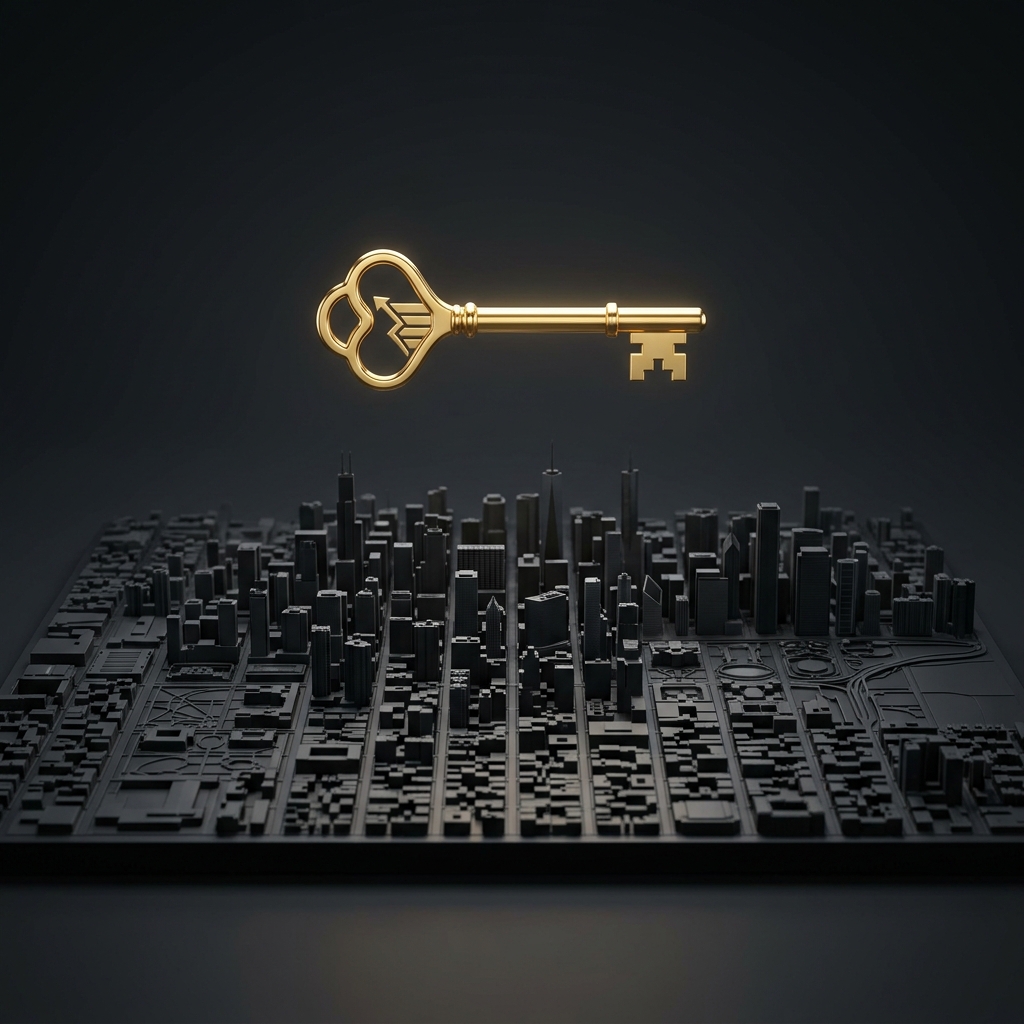
Cloud stage clocks enable seamless remote show control across multi-room venues and global production crews.
1. Remote Producer Control from Anywhere in the World
With cloud stage clocks, the lead producer can control the timer from London while the speaker stands on stage in New York and the streaming encoder runs in Tokyo.
- Powered by real-time WebSockets, every connected device stays synchronized with zero latency.
2. No Specialized AV Hardware or SDI Cabling
Traditional stage timers require specialized display boxes, hardware controllers, and heavy SDI/HDMI cable runs.
- Cloud stage clocks run natively inside any web browser over standard Wi-Fi or cellular networks.
- Open a web link on any smart TV, iPad, or laptop and you instantly have a professional confidence display.
3. Instant Scaling for Multi-Track Venues
Need to manage timing across 5 breakout rooms simultaneously?
- Instead of renting 5 separate hardware timing units, create 5 room channels in StageClock and monitor all of them from one master browser dashboard on your laptop.
Ready to modernize your live production workflow? Experience cloud stage timing with StageClock for free.