Ditch the Hardware: Why the Future of Event Timing is in Your Browser
Old-school hardware timers are clunky and expensive. Here is why modern event pros are switching to web-based platforms like StageClock.
Table of Contents
For a long time, if you wanted a "real" stage timer, you had to buy a specialized piece of hardware. It came in a heavy case, used weird cables, and cost a fortune.
But things are changing. Just like we moved from physical maps to GPS, event production is moving from "black boxes" to the browser.
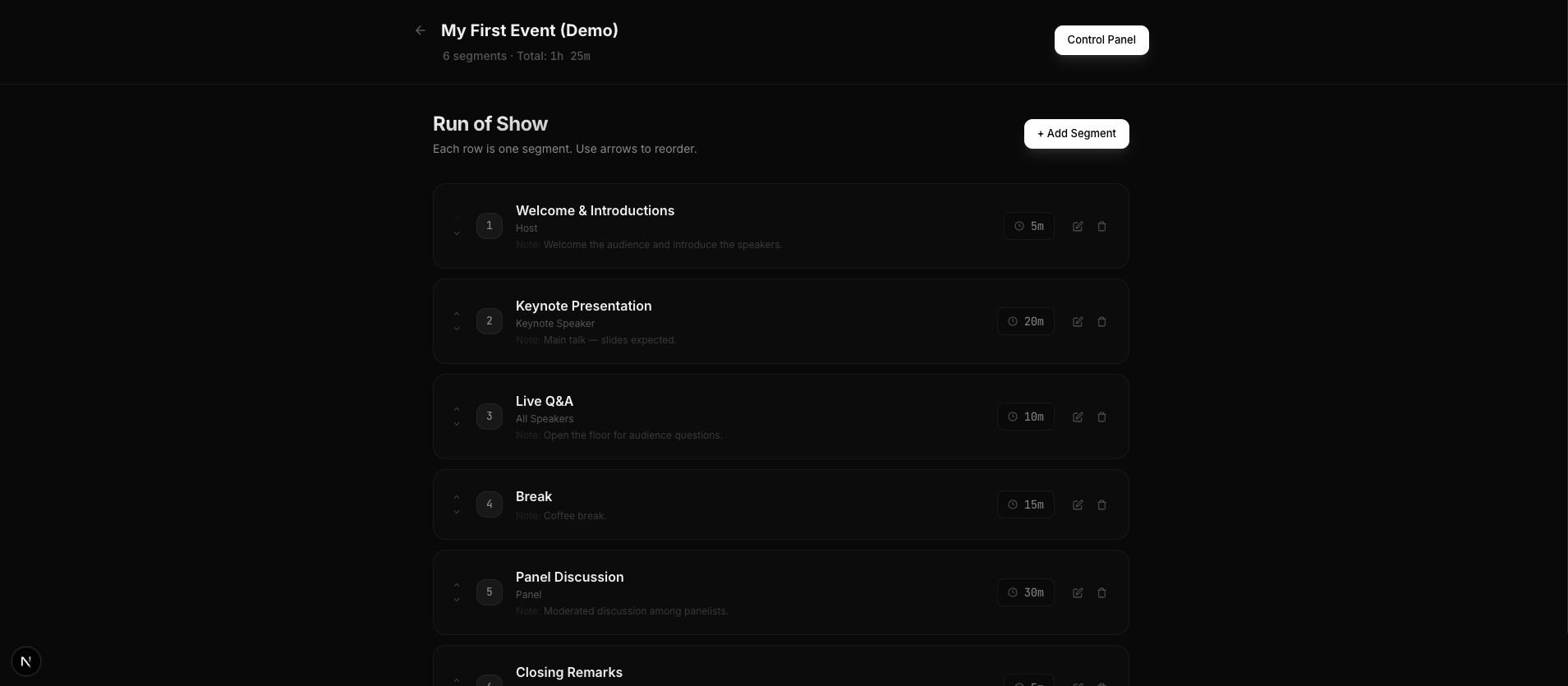
StageClock: Professional timing, no specialized hardware required.
The Problem with Old-School Timers
Hardware timers are "rigid." They do one thing well, but they don't play nice with the rest of your tech.
- Cables everywhere: You're limited by how much wire you can run.
- Single-view: Usually, you can only see the time on one specific screen.
- No data: You can't see "who went over time" after the event is over.
Why Web-Based is Better (and Easier)
StageClock lives in the cloud, which sounds fancy, but it just means it works on everything.
- Any screen is a timer: Use that spare iPad, the smart TV in the green room, or even your phone. If it has a browser, it's a professional stage clock.
- Control from anywhere: You don't have to be sitting at the AV desk. You can pause the timer from the back of the room or even from another city if you're running a virtual event.
- It grows with you: Need 10 screens instead of 2? Just open the link on 10 devices. No extra cables needed.
Is it reliable?
This is the big question. "Will the internet fail me?" StageClock is built to be resilient. Even if your internet blips for a second, our "Heartbeat" tech keeps the clock ticking accurately. We've optimized every line of code to make sure it's just as reliable as those old-school boxes, but 10x more flexible.
The era of the "dedicated hardware timer" is fading. The future is simple, fast, and lives in your browser.
Ready to modernize your event? Join the StageClock community today.